About Karimunjawa
An archipelago of 27 islands in the Java Sea, with coral reefs, shipwrecks, turtles and clear warm water. Here is what the islands are like and why they make such good diving.
- 27 islands in the Java Sea
- Dive spots around almost every island
- Warm water and relaxed island life
- Part of Karimunjawa National Park
Karimunjawa at a glance
A small archipelago with a big underwater world.
27 islands, one blue playground
Karimunjawa sits in the Java Sea, north of Jepara. The archipelago is made of 27 islands, only five of them inhabited, and the surrounding waters are protected as Karimunjawa National Park. Between the islands you find white sand bays, mangroves, seagrass beds and coral reefs.
The best part for divers is how spread out the diving is. Almost every island has its own dive spots, usually two or three each, so there is always another reef, wall or wreck to try when the wind or current changes.
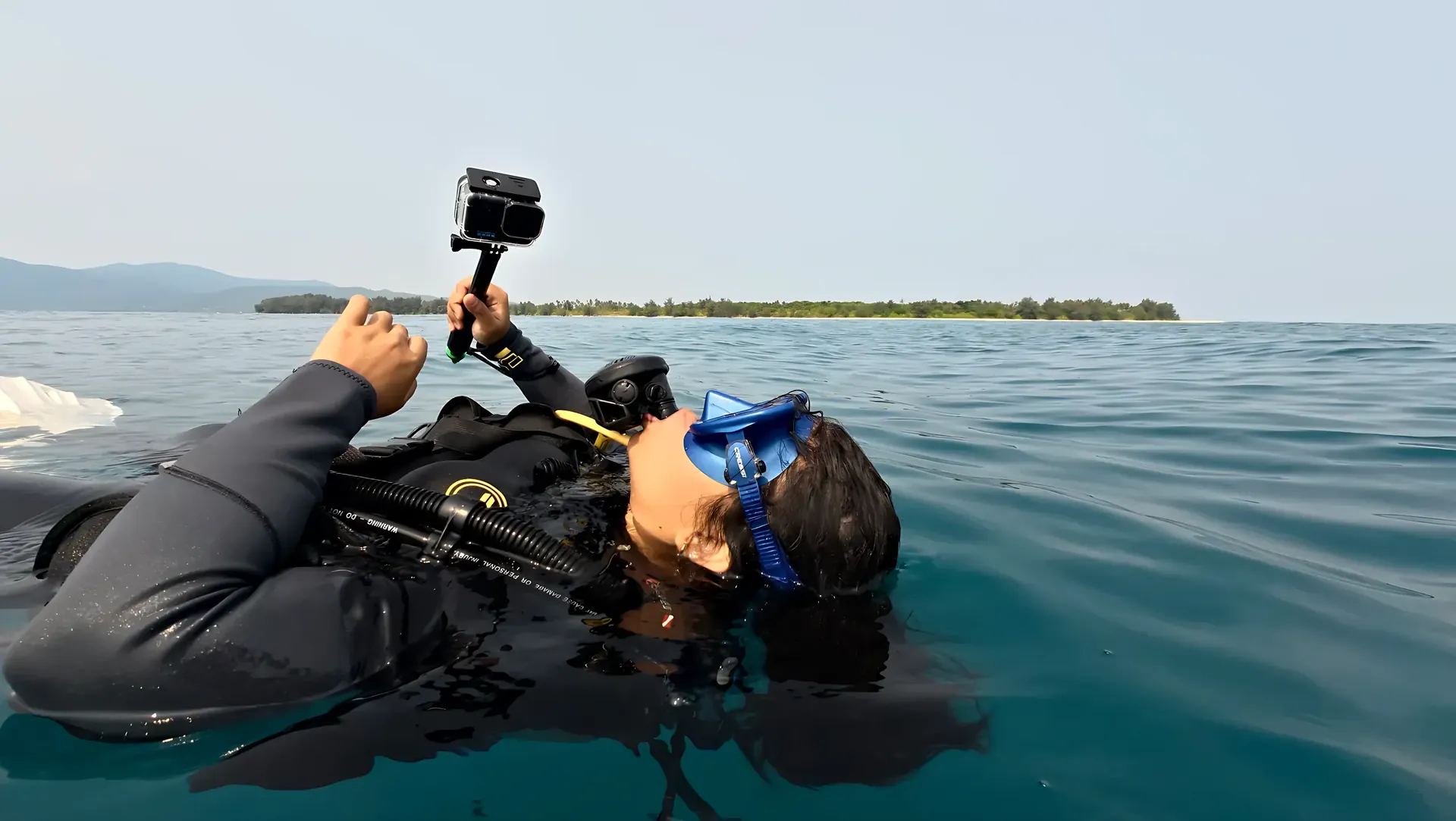
Two or three dive spots on almost every island
This is what makes Karimunjawa special, and why we can always find a good site for the day.
Kenteng and Indonor are the two wrecks we dive most, from a split pinisi cargo wreck to a giant of around 100 m.
Shallow, colourful reefs around islands such as Cemara and Gleyang, good for relaxed dives and first-timers.
Giant gorgonians, reef walls and coral arches where the reef drops into deeper blue.
Gentle, shallow sand and reef for Discovery Scuba, where beginners practise before going to the reef.
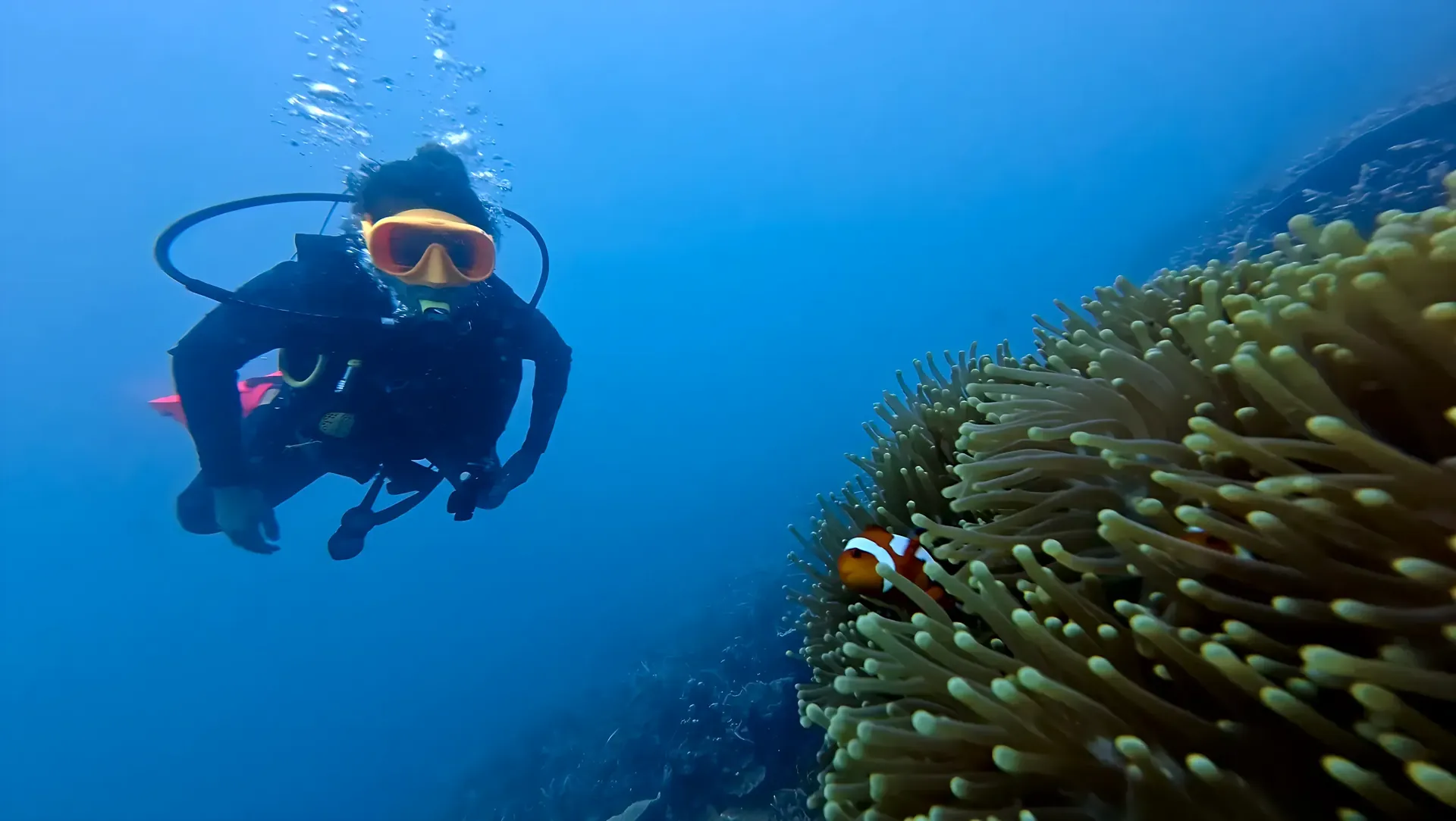
What lives here
Healthy reef means plenty of life. On our dives you can meet sea turtles, clownfish in their anemones, cuttlefish, blue-spotted stingrays, electric clams, nudibranchs and schools of reef fish, with sea fans and soft corals filling the walls.
We never promise a particular animal, because the sea decides. We do promise guides who know where to look.
What the sea is like
The honest version, so you can plan well.
| Calmer season | Generally April to October, when seas are friendlier and diving is most comfortable. |
|---|---|
| Wetter season | Roughly December to February, with more wind and waves. Boats and sites can change, and we plan around it. |
| Water | Warm tropical water all year round, comfortable for diving in a light wetsuit. |
| Visibility | Often good, but it changes with the season, tide and site. Our guides choose the clearest option for the day. |
| Currents | They vary by site and tide. With so many spots around the islands, we can usually pick a gentler one. |
| Depths | From shallow sand and reef for beginners up to about 25 m at Kenteng for certified divers. |
Getting to Karimunjawa
Times are approximate and schedules change with weather and season, so always confirm before you travel.
About 2.5 hours from Kartini Harbor in Jepara. The most popular option. Tickets can sell out from April to June, so book early.
Around 5 hours from Jepara. Slower but steadier, which can suit people who get seasick.
A short flight from Semarang to Dewadaru Airport on Kemujan Island, on selected days. Book it on the Traveloka app or on the Susi Air website, and check the current schedule.
The Pelni ship from Semarang takes roughly 7 to 9 hours and runs on a fixed schedule.
Coming from Jepara? Our packages include the fast boat, homestay, meals and diving.
Good to know
How many islands does Karimunjawa have?
When is the best time to dive Karimunjawa?
How do I get to Karimunjawa?
Island facts compiled from Indonesia Travel and national-parks.org, plus our own experience diving here.
See Karimunjawa from below.
Tell us your dates and experience level and we will plan your dive day around the island conditions.